- Trapped in a 9 to 5 routine, doing the same tasks every day
- Limited by a lack of opportunities for growth and advancement
- Frustrated with a company culture that doesn't support your personal and professional growth
- Outdated, with a lack of up-to-date skills and knowledge in the constantly changing technology landscape
The Web Dev Solopreneur
A path to independence and freedom
The Problem of Stagnation
As a web developer, you may be facing a number of challenges in your current position.
You may be feeling:
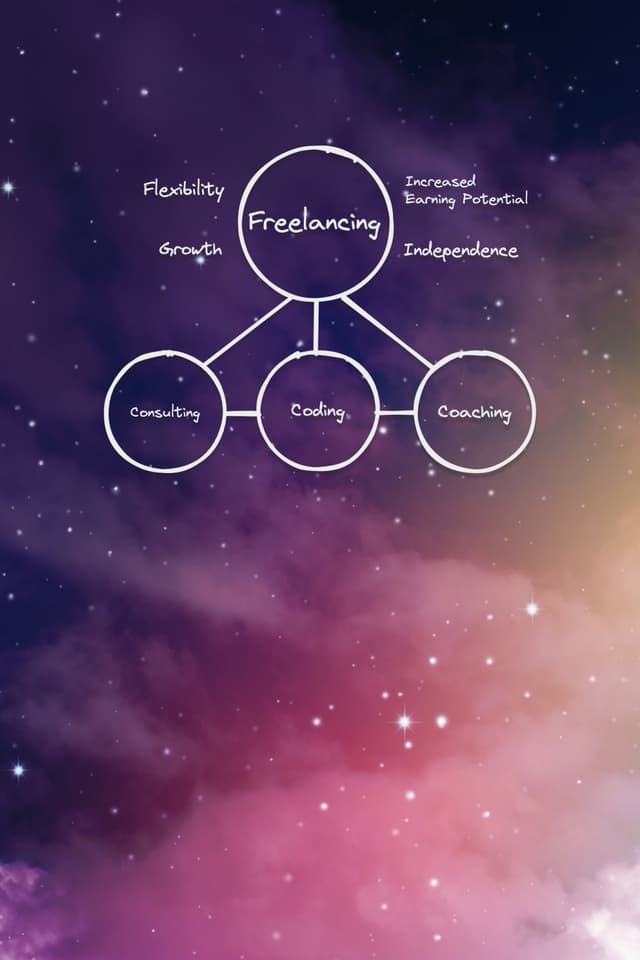
The Solution — Freelancing
If you're feeling stuck in your current position, freelancing could be the solution you're looking for.
Freelancing offers:
- Flexibility: Choose your projects, set your own hours, and balance work and personal life
- Opportunities for Growth: Expand your skill set, take on new and challenging projects
- Increased Earning Potential: Set your own rates and earn more than you would in a traditional job
- Independence: Be in control of your career path, work independently, and make your own decisions

Freedom & Autonomy
Take control of your work by choosing when, what, and with whom you work.
The Journey
of the Solopreneur
A web dev solopreneur is a unique individual who runs their own business, creating and developing websites and web applications while also sharing their knowledge through creating digital products such as ebooks, newsletters, courses, and coaching.
They are adaptable, self-motivated and take on multiple responsibilities. They are passionate about teaching and helping others achieve their goals.
From Employment:
- Go 8️⃣0️⃣ %
- Start your side project on your free day
- Save enough money for up to 6 months (at least)
- Land your first client (can only be for a few hours per week)

To Freelancing:
- Start earning your first money by billing hourly for your services
- Create profiles on freelance job portals
- Network with other freelancers
- Attend meetups to connect with like-minded individuals and expand your network

Educate yourself and others

Teaching others is the best way to learn the topic for yourself.
It is called the „Protégé Effect“
We learn …
— 10% of what we read,
— 20% of what we hear,
— 30% of what we see,
— 50% of what we see and hear,
— 70% of what we discuss,
— 80% of what we experience,
— 95% of what we teach others.
— William Glassner
Web Dev Coaching
Several ways of coaching
- Enhance your skills and knowledge by mentoring and teaching both experienced and inexperienced dev teams on topics in which you excel.
- Additionally, take the opportunity to expand your own understanding by coaching on subjects you wish to learn more about.
- Join a company that educates new web developers and gain valuable feedback on your teaching abilities, further refining your coaching and mentoring skills.
Coaching a wider audience
Spread your knowledge and your experience
- Start writing publicly
- Publish on social media (Twitter, LinkedIn)
- Have your own website (should be clear)
- Lead traffic from your social media postings to your website
- Provide an email registration form to set up a weekly / monthly newsletter
- Reuse your content and bundle it in a (first) free ebook
- Create more products and services from your content
- Share your learning journey by creating short videos that showcase the new things you have discovered and the challenges you have encountered
Productise yourself

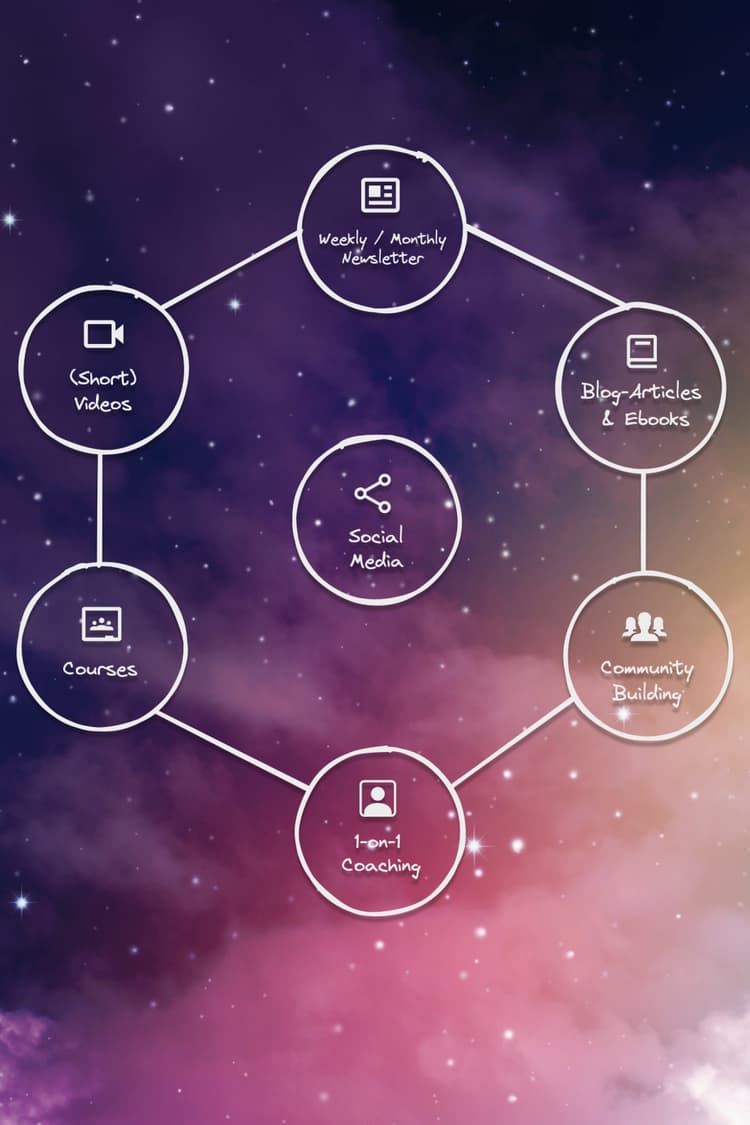
Your products
Weekly / Monthly Newsletter
Ebook
(some topic of special interest)
Videos
(Short format first, then longer format, when you know which topics "hit")
Courses
(Preferrably asynchronous, not Cohort-based)
1-on-1 Coaching Hour with Individuals
Technology Stack
This is my current main technology stack.

JavaScript is a programming language that allows you to create interactive websites and web applications.

TypeScript is a superset of JavaScript that adds optional type annotations for improved code quality and maintainability.

React is a JavaScript library for building user interfaces, allowing developers to create reusable UI components.

Next.js is a JavaScript framework for building server-rendered React applications, providing features such as automatic code splitting and static site generation.

RESTful APIs are a set of rules for building web services, allowing communication between different systems using the HTTP protocol.

Supabase is an open-source Firebase alternative, providing realtime and RESTful APIs on top of a PostgreSQL database.
Software Testing
Software testing is an important step in the software development process because it helps to ensure that the software is working correctly and meets the requirements of the user. It helps to find and fix bugs, errors and defects early in the development cycle, which can save time and money in the long run.
By performing software testing, you can gain confidence in the code you have written, and users can have confidence in the software they are using. Testing also allows you to identify areas of the code that may be prone to errors or that need further optimisation.
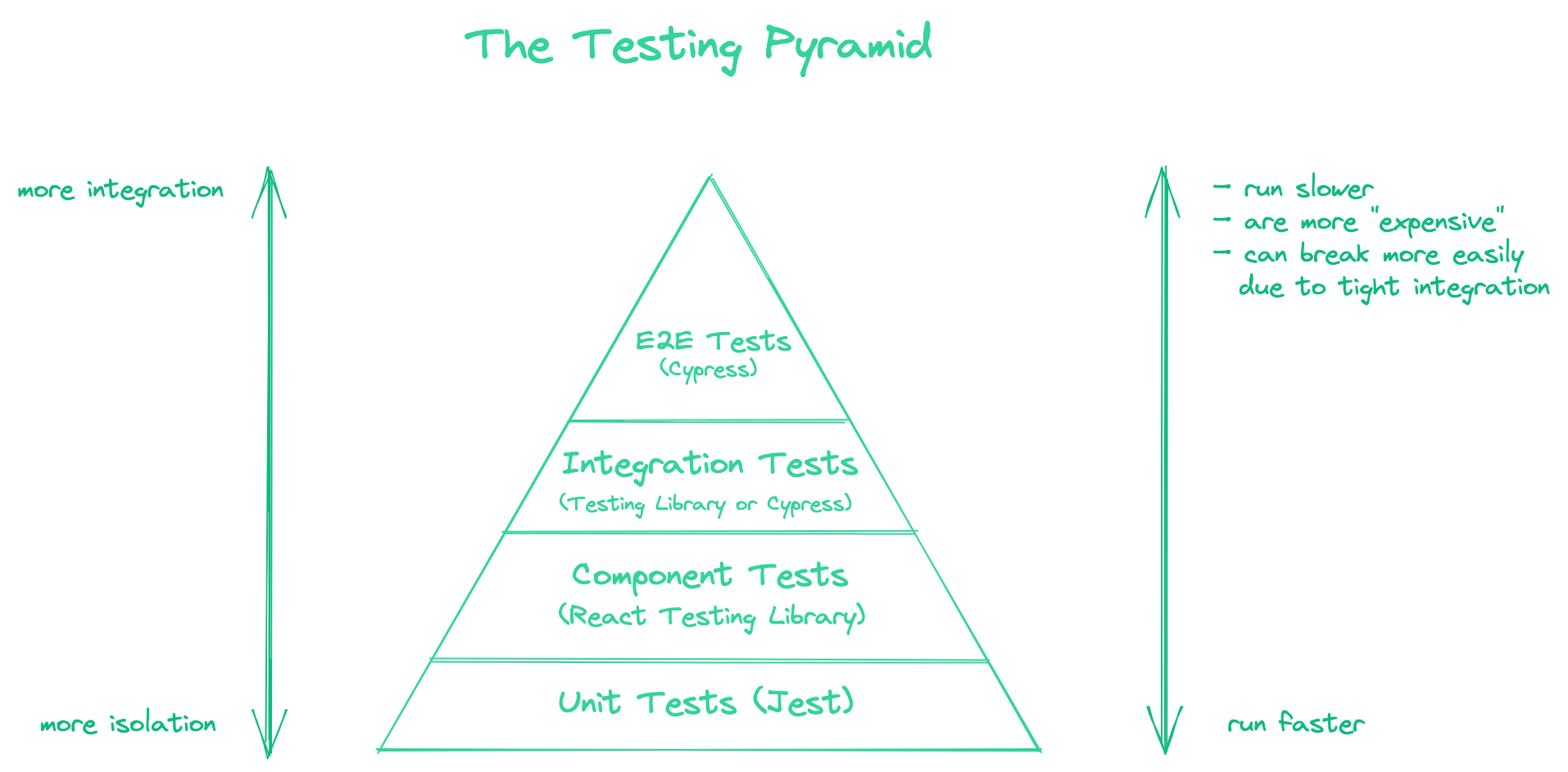

Jest is a JavaScript testing framework that allows you to write unit tests for your code with a focus on simplicity.

Testing Library is a set of utility functions that makes it easier to test your React components by providing an abstraction on top of Jest.

Cypress is an end-to-end testing framework that allows you to write tests for your web applications by interacting with a browser.
When do you start on your journey?
If you are interested in becoming a freelancer or solopreneur, do not hesitate to reach out for help. I would be happy to assist you on your journey.